Bringing Creativity to Life with Average Issues Font
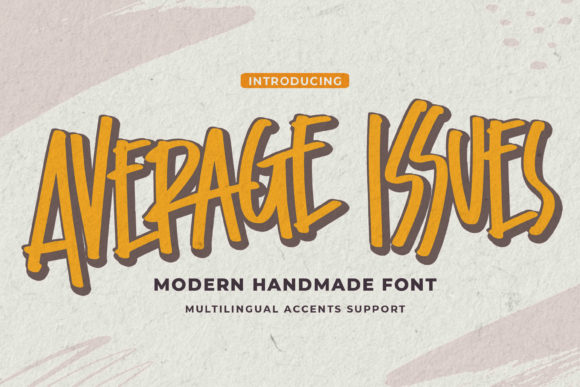
I was designing a set of candle labels the other day, and I knew right away that I needed something bold yet approachable. That’s when I reached for Average Issues. It has this street art vibe that feels just right for handmade products—like it’s been crafted with care but still has an edge.
Average Issues is a display font that stands out without shouting. It has a modern look with a touch of grit, making it perfect for anything from t-shirts to packaging. The character shapes are clean but not too polished, which gives it that slightly rebellious charm that fits into so many creative projects.
Creating Labels with Flair
When I first started using Average Issues, I used it for candle labels. The font's unique curves and sharp edges gave the labels a sense of movement, as if they were part of a larger mural. It wasn’t just about the text—it was about how it made the whole product feel more dynamic.
I tested different sizes on sticker sheets and found that even small text in Average Issues held up well. It didn’t get lost on tiny stickers or labels, which is a big plus for anyone working with small formats.
Designing Invitations and Cards
Next, I tried using Average Issues for wedding invitations. The font had a subtle coolness that matched the rustic theme of the event. I paired it with a simple sans serif font for the details, like names and dates, and it worked beautifully. The contrast between the two fonts made the invitation feel both stylish and easy to read.
For greeting cards, I used Average Issues on the front cover. It added a little personality without overwhelming the design. I also used it for seasonal tags, like holiday gift tags and birthday cards, and each time it brought a fresh, artistic touch to the project.
Exploring More Uses
The versatility of Average Issues really shone through when I used it for planner pages. It fit perfectly on weekly calendars and monthly layouts, adding a bit of flair without being too distracting. I also used it for printable wall art, where it created a strong visual impact against neutral backgrounds.
For boutique tags and tote bags, Average Issues helped reinforce brand identity. It was consistent across all materials, which made the shop feel cohesive and intentional. Customers noticed the attention to detail, and it made the products feel more premium.
Readability and Practical Tips
One thing I learned early on is that Average Issues works best for short phrases, names, and titles. It’s not ideal for long paragraphs, but that’s exactly what makes it a great display font. When using it on printed cards or mockup previews, I always make sure the text size is large enough to be legible at a glance.
If you're planning to use it on cutting machines like Cricut or Silhouette, I recommend testing it on sample material first. The font’s thickness and curves can affect how it cuts, so knowing how it behaves before finalizing a design is important.
Font Pairing and Design Consistency
Pairing Average Issues with a clean sans serif font has become my go-to for most projects. It balances the edgy vibe of the display font with a more modern, readable base. For a more elegant look, I sometimes pair it with a simple serif font, especially for invitations or logos.
It’s also worth checking the included styles, alternates, and ligatures before finalizing any designs. These features can enhance the overall look and help the font blend better with other design elements.
Final Notes on Using Average Issues
Whether you’re designing labels, invitations, or digital printables, Average Issues brings a unique energy to your work. It’s a font that doesn’t just look good—it feels good. It adds that extra layer of creativity that makes handmade products stand out in a crowd.
Before selling any physical products, templates, or digital downloads, I always check the licensing information to ensure that I’m using Average Issues in compliance with commercial usage rules. This helps protect both the designer and the seller, ensuring everything is above board.
Overall, Average Issues has become a staple in my design toolkit. It’s versatile, expressive, and full of character. Whether I’m working on a small label or a large-scale design, it never fails to bring a fresh perspective to every project I take on.